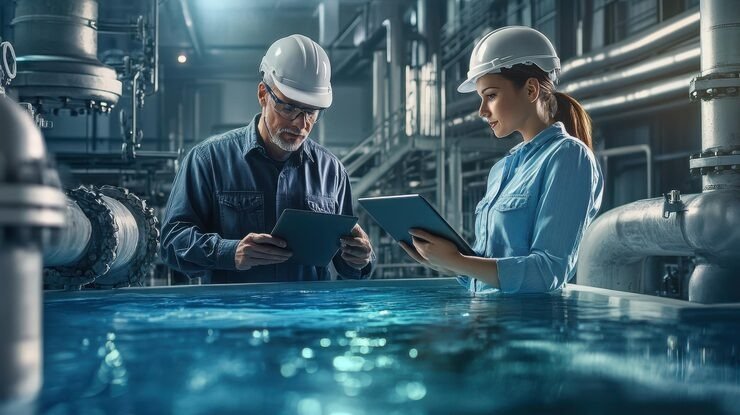
As concerns over water quality continue to rise, many homeowners are turning to advanced filtration systems to ensure safe and healthy drinking water. Among these, the osmoseanlage, or reverse osmosis system, stands out for its ability to effectively remove contaminants. Whether you’re considering purchasing an osmoseanlage for your home or simply curious about how it works, this guide offers a thorough exploration into its benefits, installation, and maintenance.
Introduction to Osmoseanlagen
Definition and Purpose
An osmoseanlage, or reverse osmosis system, is a type of water filtration technology that uses a semipermeable membrane to remove ions, molecules, and larger particles from drinking water. Originally developed for industrial purposes, these systems have become increasingly popular in residential settings for their ability to significantly improve water quality.
Historical Background
The concept of reverse osmosis dates back to the 1950s, with industrial applications becoming widespread in the 1970s. Over the decades, technological advancements have made osmoseanlagen more efficient and affordable for home use, allowing consumers to enjoy the benefits of purified water directly from their taps.
How Osmoseanlagen Work
The Science Behind Reverse Osmosis
At the heart of an osmoseanlage is the reverse osmosis process, which involves forcing water through a semipermeable membrane under pressure. This membrane traps contaminants such as lead, chlorine, and other impurities, allowing only clean water molecules to pass through.
Key Components and Functions
- Pre-filters: Remove larger debris and sediments to protect the membrane.
- Reverse Osmosis Membrane: The core component that filters out contaminants.
- Post-filters: Often carbon-based, these enhance taste and remove any remaining odors.
- Storage Tank: Holds the purified water until needed.
Benefits of Using an Osmoseanlage
Health Advantages
Using an osmoseanlage can significantly enhance your water’s purity, making it safer for consumption. By effectively removing harmful contaminants, these systems can help reduce the risk of waterborne illnesses and improve overall health.
Environmental Considerations
Switching to an osmoseanlage can also be an eco-friendly choice. By reducing reliance on bottled water, you can decrease plastic waste and lower your carbon footprint. Additionally, many modern systems are designed with energy efficiency in mind, further minimizing environmental impact.
Types of Osmoseanlagen
Residential vs. Commercial Models
Osmoseanlagen are available in various sizes and capacities to suit different needs. Residential models are typically compact and designed for household use, whereas commercial systems offer higher capacity and are suitable for larger-scale applications, such as in restaurants or office buildings.
Portable Options
For those with limited space or who require flexibility, portable osmoseanlagen are an excellent choice. These models are designed for easy installation and can be moved as needed, making them ideal for renters or frequent movers.
Installation and Maintenance
Step-by-Step Installation Guide
- Identify a suitable location near your water source and ensure sufficient space for the system.
- Install the pre-filter and connect it to your water supply.
- Attach the reverse osmosis membrane and post-filter.
- Connect the system to a storage tank and faucet.
- Check all connections for leaks and ensure proper water flow.
Routine Maintenance Checklist
- Change pre-filters every 6-12 months to maintain efficiency.
- Replace the reverse osmosis membrane every 2-3 years, depending on usage and water quality.
- Inspect all fittings and connections regularly for leaks.
- Sanitize the system and storage tank annually to prevent bacterial growth.
Cost and Efficiency Analysis
Initial Investment vs. Long-term Savings
While the upfront cost of an osmoseanlage can be significant, ranging from €200 to €500 for residential models, the long-term savings are considerable. By eliminating the need for bottled water and reducing plumbing issues caused by hard water, these systems can pay for themselves over time.
Comparing Operating Costs
Operating costs are generally low, primarily involving filter replacements and occasional professional maintenance. Compared to other water filtration methods, osmoseanlagen offer a cost-effective solution for high-quality water purification.
FAQs and Troubleshooting
Common Issues and Solutions
Users may occasionally encounter issues such as reduced water flow or strange tastes. These are often resolved through regular maintenance, such as filter replacements and system sanitization.
Expert Tips for Optimal Performance
To ensure your osmoseanlage operates efficiently, follow installation instructions carefully, use high-quality replacement filters, and monitor water quality regularly.
Key Takeaways
Investing in an osmoseanlage can provide numerous benefits, from improved health to environmental sustainability. By understanding how these systems work and maintaining them properly, you can enjoy clean, safe drinking water for years to come. If you’re considering purchasing an osmoseanlage, explore different models and consult with experts to find the best fit for your needs.
Frequently Asked Questions
How long does an osmoseanlage last?
With proper maintenance, an osmoseanlage can last between 10 to 15 years, making it a durable investment for your home.
Is an osmoseanlage worth the investment?
Yes, for many households, the improved water quality and long-term savings on bottled water make osmoseanlagen a worthwhile investment.
How often should I maintain my osmoseanlage?
Filters should be changed every 6-12 months, and the system should be sanitized annually to ensure optimal performance.
What are the health benefits of using an osmoseanlage?
These systems effectively remove harmful contaminants, reducing the risk of waterborne illnesses and improving overall water taste and quality.