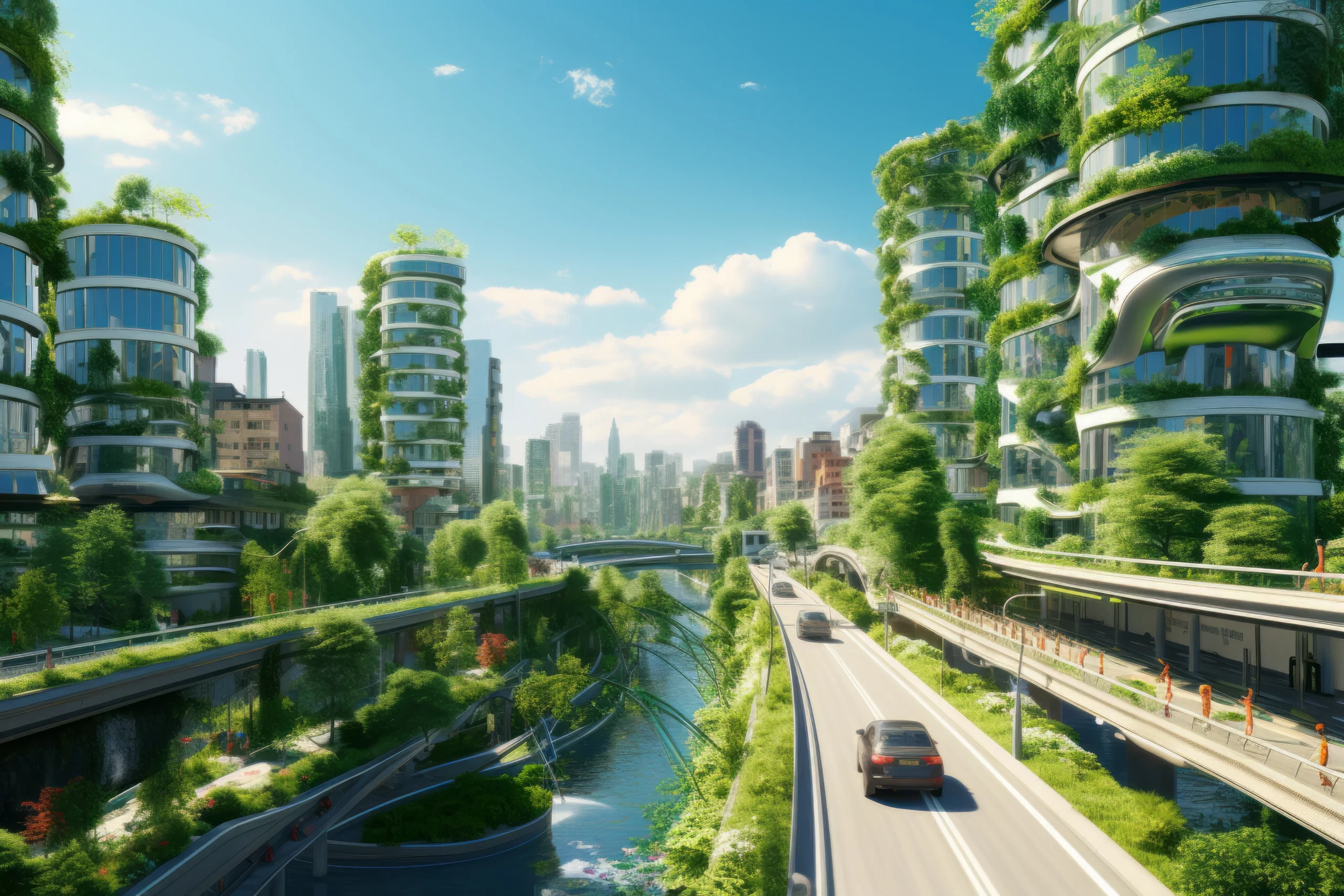
The global real estate market is undergoing a major shift, driven by changes in lifestyle needs, urban development, and the increasing importance of healthcare accessibility. Among all influencing factors, health care infrastructure has emerged as one of the strongest drivers of real estate growth worldwide. Modern buyers, investors, and developers now consider proximity to healthcare facilities a key factor when making property decisions.
This transformation reflects a deeper change in how communities are built. Homes, commercial spaces, and entire cities are now being designed around accessibility to medical services, wellness centers, and advanced healthcare systems.
The Growing Importance of Health Care Infrastructure in Real Estate
Health care infrastructure includes hospitals, clinics, diagnostic centers, emergency care units, and wellness facilities. These services are essential for every community, and their presence significantly increases the value and demand for nearby real estate.
People today prioritize convenience and safety more than ever before. Living close to reliable healthcare services provides peace of mind, especially for families, elderly individuals, and people with ongoing medical needs.
This demand has created a direct connection between healthcare expansion and real estate development. As new medical facilities are built, surrounding areas often experience rapid property growth.
How Health Care Facilities Influence Property Value
One of the most noticeable impacts of healthcare infrastructure is the rise in property value. Homes and commercial spaces located near hospitals or specialized medical centers tend to attract higher demand.
Key reasons include:
- Easy access to emergency care
- Reduced travel time for medical needs
- Increased safety perception in the area
- Attraction for retirees and families
- Stronger long-term investment potential
As a result, real estate developers are actively planning projects near healthcare hubs to maximize future value.
Urban Development and Healthcare Integration
Modern cities are no longer built randomly. Urban planners now focus on creating integrated environments where healthcare, housing, education, and business districts exist in close connection.
This integrated approach ensures that residents have everything they need within reachable distance. It also reduces pressure on transportation systems and improves overall quality of life.
In many fast-growing regions, new housing projects are being developed specifically near hospitals and medical research centers to attract long-term residents.
The Role of Digital Transformation in Healthcare and Real Estate
Technology is also reshaping how healthcare infrastructure impacts real estate. Digital health systems, smart hospitals, and online medical services are making healthcare more efficient and accessible.
One example of structured digital integration in healthcare operations can be observed through systems like www sfe walterbushnell com, which reflects how organized platforms support modern healthcare processes and data management.
These advancements make healthcare systems more reliable and predictable, which indirectly increases investor confidence in nearby real estate developments.
Real Estate Demand Around Medical Hubs
Areas surrounding major hospitals and healthcare institutions often become high-demand zones. These locations attract not only residents but also businesses such as pharmacies, medical equipment suppliers, and wellness centers.
Common real estate trends near healthcare hubs include:
- Increased residential apartment development
- Growth of commercial rental spaces
- Expansion of retail and support services
- Higher land value appreciation
This ecosystem creates a self-sustaining cycle where healthcare infrastructure fuels real estate development, and real estate growth supports healthcare expansion.
Lifestyle Changes and Housing Preferences
Modern homebuyers are more conscious of health, wellness, and accessibility. Instead of focusing only on luxury or price, many buyers now prioritize location advantages related to healthcare.
Families prefer neighborhoods that offer quick access to hospitals and clinics. Elderly individuals especially look for properties near medical support systems to ensure safety and convenience.
This shift in preference is shaping the way real estate developers design new communities.
The Global Perspective on Healthcare-Driven Real Estate
Around the world, countries are investing heavily in healthcare infrastructure as part of their urban development strategies. This investment is directly influencing real estate markets in both developed and developing regions.
In many cases, new healthcare projects are used as anchors for entire city expansions. Once a major hospital or medical campus is established, surrounding land becomes highly valuable for residential and commercial use.
This global trend highlights the strong relationship between public health planning and property development.
Investment Opportunities in Healthcare-Adjoining Real Estate
For investors, real estate near healthcare infrastructure presents long-term stability. Unlike short-term market fluctuations, healthcare demand remains constant and predictable.
Investing in such locations offers several advantages:
- Consistent rental demand
- Lower vacancy rates
- Strong resale value
- Long-term appreciation potential
This makes healthcare-adjacent properties a preferred choice for cautious and long-term investors.
In many markets, professionals such as Ellendewittrealestate play a role in helping clients identify properties that benefit from proximity to essential services, including healthcare facilities.
How Developers Are Adapting to Healthcare Demand
Real estate developers are increasingly designing projects that align with healthcare accessibility. This includes building residential complexes near hospitals and incorporating wellness-focused amenities into housing projects.
Modern developments often include:
- On-site clinics or medical rooms
- Fitness and wellness centers
- Emergency response access points
- Green and healthy living environments
These features reflect the growing importance of health-oriented living spaces.
Future Trends in Healthcare and Real Estate Integration
The future of real estate will be strongly influenced by healthcare innovation. As medical technology advances, healthcare infrastructure will become even more integrated into urban planning.
Emerging trends include:
- Smart health-enabled buildings
- AI-assisted medical monitoring in communities
- Expansion of telehealth infrastructure
- Mixed-use developments combining housing and healthcare
These innovations will continue to strengthen the relationship between the two industries.
The Role of Community Well-Being in Property Development
Real estate is no longer just about buildings; it is about building communities. Health care infrastructure plays a vital role in ensuring that communities are safe, healthy, and sustainable.
When residents feel secure about their health needs being met, they are more likely to invest in long-term living in a particular area. This stability benefits both homeowners and investors.
Conclusion
Healthcare infrastructure has become one of the most powerful drivers of global real estate growth. Its influence extends beyond medical services and directly shapes how cities are built, how communities function, and how property markets evolve.
As healthcare systems continue to expand and modernize, their impact on real estate will only grow stronger. Investors, developers, and homebuyers are increasingly recognizing the importance of location, accessibility, and long-term value.
The connection between health and housing is now a defining factor in global development trends, making healthcare infrastructure a cornerstone of modern real estate growth.