The healthcare industry is undergoing a major transformation driven by technology, innovation, and a stronger focus on patient needs. Traditional systems that once centered only on treatment are now evolving into smarter, more connected, and more personalized models. This shift is shaping the future of patient-centered treatment, where care is designed around the individual rather than the system.
Modern health care solutions are no longer limited to hospitals or clinics. They now include digital tools, data-driven systems, and integrated platforms that improve how patients receive, track, and manage their health. This evolution is making healthcare more accessible, efficient, and responsive than ever before.
The Shift Toward Patient-Centered Care
Patient-centered care is a modern approach that focuses on understanding the needs, preferences, and experiences of individuals. Instead of a one-size-fits-all system, healthcare providers are now designing treatments that match each patient’s unique condition and lifestyle.
This approach improves trust between patients and medical professionals and ensures better long-term outcomes. Patients are now more involved in decision-making, which leads to higher satisfaction and improved recovery rates.
The shift is also supported by digital transformation, which allows real-time communication, better record-keeping, and faster diagnosis.
The Role of Technology in Modern Health Care Solutions
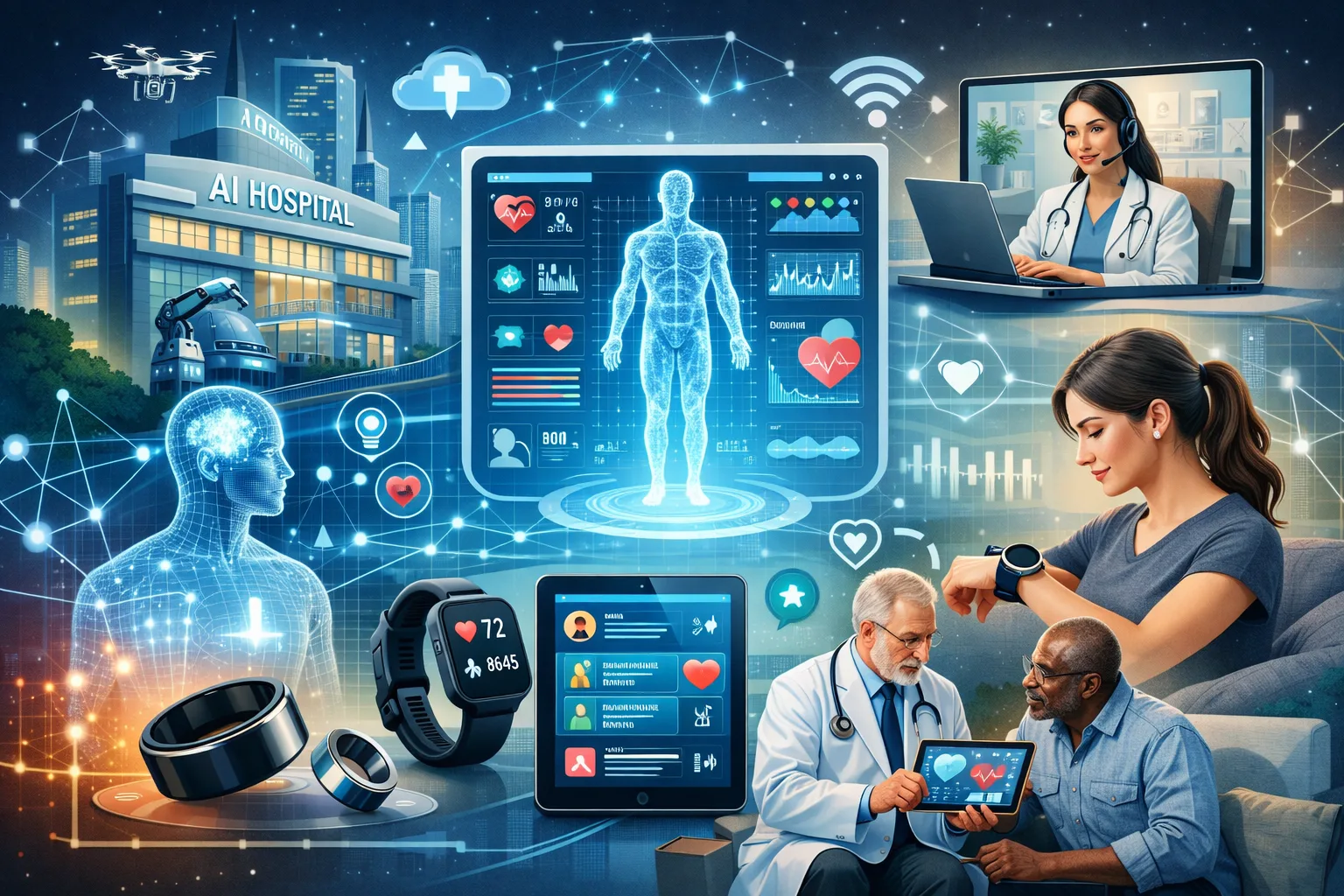
Technology has become the backbone of today’s healthcare systems. From electronic medical records to artificial intelligence-based diagnosis tools, innovation is improving every stage of treatment.
Hospitals and clinics now use smart systems to:
- Track patient history efficiently
- Reduce waiting times
- Improve diagnostic accuracy
- Enhance communication between departments
- Monitor patient progress remotely
These improvements are helping medical professionals deliver faster and more accurate care while reducing human error.
Digital systems are also making healthcare more accessible in remote areas, allowing patients to connect with professionals without needing to travel long distances.
Digital Health Systems and Data Integration
One of the most important developments in modern healthcare is the integration of data systems. Patient records are now stored digitally, making it easier for doctors to access complete medical histories instantly.
This integration supports better decision-making and ensures that treatments are based on accurate and up-to-date information.
In this evolving ecosystem, platforms such as www sfe walterbushnell com represent how structured digital systems are becoming part of healthcare operations, helping streamline workflows and improve efficiency across different processes.
Personalization in Modern Treatment Methods
Personalized healthcare is becoming a key trend in modern medicine. Instead of applying general treatments, doctors now analyze genetic, environmental, and lifestyle factors before suggesting a care plan.
This approach allows:
- More accurate diagnoses
- Better treatment outcomes
- Reduced side effects
- Faster recovery times
Patient data plays a major role in shaping personalized treatment plans. With advanced analytics and monitoring tools, healthcare providers can adjust treatments in real time based on patient response.
The Connection Between Wellness and Healthcare
Modern healthcare is no longer limited to treating illness. It also focuses on overall wellness, prevention, and lifestyle improvement. Physical health, mental well-being, and personal care are all interconnected.
Lifestyle choices such as nutrition, stress management, and self-care routines play a major role in long-term health. As a result, many people are now combining medical care with wellness practices to maintain balance in their daily lives.
In this broader wellness ecosystem, Eikonsalon represents the growing importance of personal care and grooming as part of overall well-being, reflecting how lifestyle services are becoming linked with health-conscious living.
Remote Care and Telehealth Expansion
One of the most significant advancements in healthcare is remote care. Telehealth services allow patients to consult doctors without physically visiting hospitals. This has made healthcare more convenient and accessible, especially for people in rural or underserved areas.
Remote care offers several benefits:
- Faster medical consultations
- Reduced travel costs
- Continuous health monitoring
- Improved access to specialists
This approach is especially useful for patients with chronic conditions who require regular check-ups and monitoring.
Artificial Intelligence in Healthcare
Artificial intelligence is playing a major role in shaping the future of healthcare. AI-powered systems can analyze large amounts of data quickly, helping doctors identify patterns that may not be visible through manual analysis.
AI is used in:
- Disease prediction
- Medical imaging analysis
- Drug discovery
- Patient monitoring systems
These applications are improving efficiency and helping healthcare providers make more informed decisions.
Challenges in Modern Healthcare Systems
Despite rapid advancements, modern healthcare systems still face several challenges. These include data security concerns, high implementation costs, and the need for trained professionals who can manage advanced technologies.
Another challenge is ensuring equal access to healthcare solutions. While urban areas benefit from advanced systems, rural regions may still struggle with limited infrastructure.
Addressing these challenges requires continuous investment, education, and policy support to ensure that modern healthcare benefits everyone equally.
The Future of Patient-Centered Treatment
The future of healthcare is moving toward a fully integrated, technology-driven, and patient-focused system. The goal is to create a healthcare environment where treatment is not only effective but also personalized and accessible.
Key future trends include:
- Increased use of wearable health devices
- AI-powered diagnostic tools
- Fully digital health records
- Predictive healthcare systems
- Greater focus on preventive care
These advancements will continue to improve patient outcomes and redefine how healthcare is delivered globally.
The Growing Importance of Lifestyle in Health
Health is no longer viewed only as a medical condition but as a combination of physical, emotional, and lifestyle factors. People are becoming more aware of how daily habits affect long-term well-being.
Balanced nutrition, regular exercise, stress management, and personal care routines all contribute to better health outcomes. This holistic approach ensures that individuals not only recover from illness but also maintain long-term wellness.
Conclusion
Modern health care solutions are transforming the way treatment is delivered, making it more personalized, efficient, and patient-focused. With advancements in technology, data integration, and AI, healthcare systems are becoming smarter and more responsive to individual needs.
The future of patient-centered treatment lies in combining medical expertise with digital innovation and lifestyle awareness. As healthcare continues to evolve, the focus will remain on improving patient experience, accessibility, and overall well-being.
By embracing these changes, the healthcare industry is moving toward a future where care is not only about treatment but about building healthier, more informed, and more empowered lives.