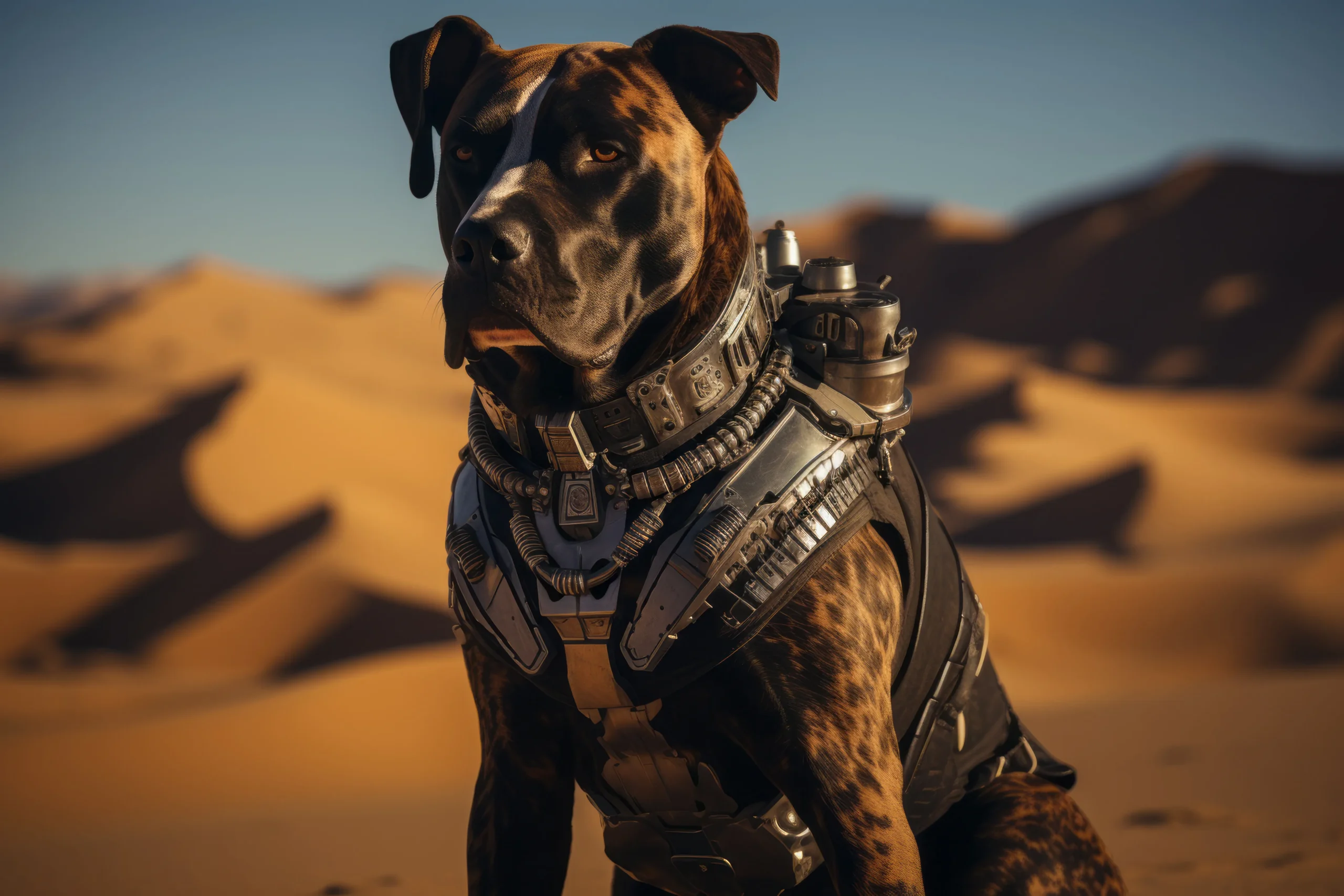
The Rottweiler is one of the most recognizable dog breeds in the world, known for its strength, loyalty, and intelligence. These dogs have captured the hearts of dog lovers and families alike, but their history runs much deeper than their modern role as beloved pets and working dogs. Understanding the fascinating history behind the Rottweiler breed reveals a story of resilience, adaptability, and service that stretches back centuries.
Origins of the Rottweiler
The Rottweiler’s story begins in Europe, specifically in the region of Germany. Its name is derived from the town of Rottweil, where these dogs were first recognized for their exceptional abilities. Historians believe that the breed’s ancestors were used by the Roman legions as herding and guard dogs. As the Romans moved across Europe, they brought along these versatile dogs to manage livestock and protect camps.
Over time, these dogs interbred with local German herding dogs, which led to the development of the early Rottweiler. Their role expanded from simple herding to more complex duties, reflecting both the intelligence and strength of the breed. This evolution shaped the Rottweiler into a dog capable of handling large animals and guarding valuable property, a trait that remains evident in the breed today.
Rottweilers as Working Dogs
One of the defining periods in the history of the Rottweiler was their use as working dogs for butchers in Rottweil. These dogs were trained to herd cattle from the fields to the market and protect the livestock during transport. Their strength and courage made them indispensable to farmers and traders, and their loyalty ensured they could be trusted with valuable animals.
Rottweilers became so skilled that they earned the nickname “Rottweil Butcher Dogs.” Beyond herding, they were also known to protect their owners’ homes and properties, making them versatile companions. Their impressive work ethic and protective instincts were a hallmark of the breed, qualities that have been carefully preserved through selective breeding over the centuries.
Military and Police Roles
As time passed, Rottweilers’ abilities did not go unnoticed by authorities. Their strength, intelligence, and trainability made them ideal candidates for military and police work. During both World Wars, these dogs served in various capacities, including as messengers, guard dogs, and search and rescue dogs.
Even today, Rottweilers are used in police and military roles worldwide. Their historical work with herding and guarding naturally translated to modern protective duties. The breed’s unwavering loyalty, courage, and discipline have earned them a reputation as one of the most reliable working dogs in the world.
Physical Traits and Temperament
The Rottweiler’s physical traits are closely tied to its historical roles. They are powerful, muscular dogs with a robust build, allowing them to herd and protect effectively. Their broad chest and strong jaws reflect the strength required for guarding livestock and handling challenging tasks.
Temperamentally, Rottweilers are intelligent, confident, and protective. These traits stem directly from their historical use as working dogs. They are cautious around strangers but extremely loyal to their families. Early training and socialization have always been key to ensuring that Rottweilers can balance their protective instincts with friendly behavior toward humans.
Rottweilers as Companion Animals
In the 20th century, the Rottweiler transitioned from primarily a working dog to a popular companion animal. Families recognized their intelligence, loyalty, and gentle nature with proper training. While their historical role was centered around work and protection, modern Rottweilers excel in family environments as long as they receive adequate exercise and attention.
Their natural guarding instincts make them protective of their homes and loved ones, but their historical adaptability also allows them to bond deeply with humans. Today, many Rottweilers participate in activities such as obedience training, agility competitions, and therapy work, showcasing the breed’s versatility.
Preserving the Breed’s Heritage
Maintaining the Rottweiler’s heritage has always been a priority for breeders. Selective breeding ensures that these dogs retain the strength, intelligence, and protective instincts that define the breed. Responsible breeders focus not only on physical traits but also on temperament and social behavior, keeping the Rottweiler balanced and capable of performing both working and family roles.
Enthusiasts of the breed continue to celebrate the Rottweiler history through shows, events, and breed clubs worldwide. These efforts highlight the importance of understanding the dog’s origins, respecting its traits, and preserving the qualities that have made the Rottweiler a respected breed for centuries.
Modern-Day Rottweilers
Today, Rottweilers are known as a versatile breed capable of excelling in multiple roles. From police and service work to family companions and therapy dogs, they continue to showcase the skills developed over centuries. Their loyalty, intelligence, and courage remain hallmarks of the breed, making them one of the most admired dog breeds globally.
While their history is filled with work and duty, the modern Rottweiler balances strength with gentleness. Owners who understand and respect the breed’s origins are better equipped to provide training, socialization, and care that align with the dog’s natural instincts and abilities.
Conclusion
The history behind the Rottweiler breed is as fascinating as it is rich. From their roots in ancient Europe to their role as butchers’ helpers, military aides, and family protectors, Rottweilers have consistently demonstrated strength, intelligence, and loyalty. Understanding their past provides valuable insights into their behavior, temperament, and needs today.
For anyone considering a Rottweiler as a pet or companion, appreciating the breed’s heritage is essential. It helps foster a relationship built on trust, respect, and mutual understanding. The Rottweiler’s story is not just about a dog breed—it’s about resilience, adaptability, and the timeless bond between humans and animals that continues to thrive today.