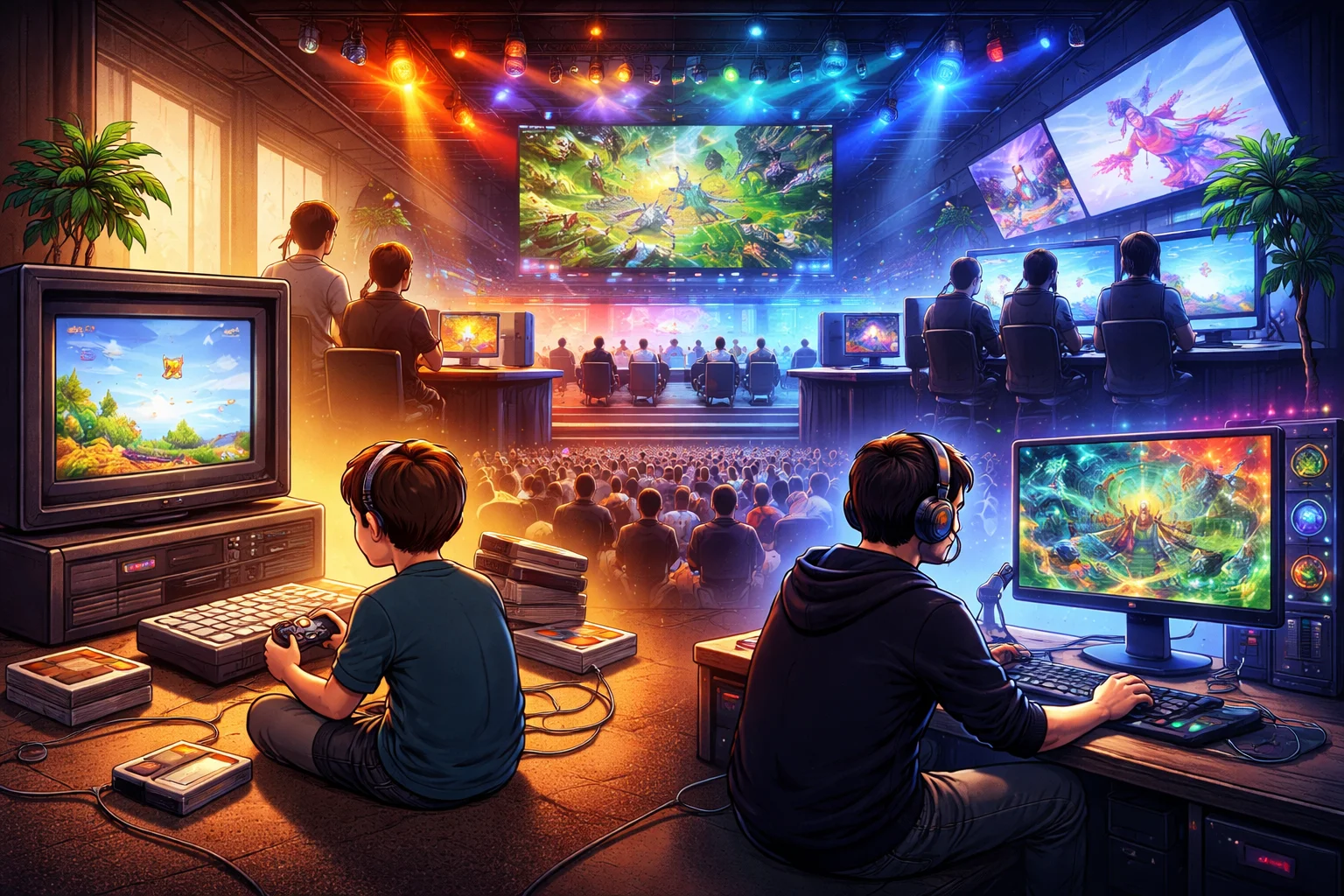
Gaming culture has changed more in the last few decades than almost any other form of entertainment. What once began as a simple hobby shared by small groups has grown into a global culture that influences technology, media, and social interaction. This evolution did not happen overnight. It came through new hardware, changing player expectations, online connectivity, and the rise of competitive play.
At theportablegamer, understanding this journey matters. Gaming culture explains not only how people play today, but also why modern games, consoles, and communities look the way they do. Looking back helps players better understand where gaming is heading next.
Early gaming culture: simple play and shared curiosity
In the early days, gaming culture was built around curiosity and discovery. Games were often found in arcades, early home consoles, or basic computer systems. Players gathered around machines, shared tips face to face, and learned through trial and error.
Games were short, challenging, and focused on mastering simple mechanics. There were no online updates or large communities. Culture formed locally, in living rooms and arcades, where high scores and skill mattered more than storytelling or visuals. This period shaped the idea of gaming as a skill-based activity, something earned through practice rather than unlocked through progress systems.
Home consoles and the rise of personal gaming spaces
As home consoles became more common, gaming culture moved indoors. Players no longer needed to visit arcades to enjoy games. Consoles allowed longer sessions, deeper stories, and more personal experiences.
This shift created a new kind of culture. Gaming became part of daily life rather than an occasional outing. Friends gathered at home, shared controllers, and competed locally. Genres expanded, and games began to focus on exploration, narrative, and character development.
During this time, players also began to identify themselves as gamers. Gaming was no longer just an activity. It became part of personal identity, shaping tastes, habits, and communities.
Online play changes how players connect
The introduction of online play transformed gaming culture completely. Players were no longer limited to local groups. They could connect with others across countries and time zones.
This change affected how games were designed and how people interacted. Cooperation, communication, and teamwork became central parts of many games. Voice chat, messaging, and shared objectives created social bonds that extended beyond the screen.
Online play also introduced challenges. Issues like sportsmanship, moderation, and fair play became part of cultural discussions. Communities began setting their own standards, shaping how players behaved and how games supported positive interaction.
At theportablegamer, online culture is viewed as a defining moment. It shifted gaming from a personal experience into a shared digital space.
Streaming and content creation reshape gaming identity
Another major step in gaming culture came with streaming and content creation. Players were no longer just participants. Many became viewers, creators, and commentators.
Watching gameplay became a common way to learn, relax, or stay connected to favorite titles. Content creators influenced how people approached games, from strategies to personal play styles. This created a culture where watching games became almost as important as playing them.
Gaming discussions expanded beyond forums into live chats and community platforms. Culture became faster, more interactive, and more visible. Moments in games could be shared instantly, shaping trends and conversations in real time.
Esports and competitive gaming gain structure
Competitive gaming existed early on, but it gained structure and recognition much later. Organized tournaments, professional teams, and dedicated training turned competition into a serious pursuit.
Esports changed how players viewed skill and dedication. Practice routines, analysis, and teamwork became essential. This influenced casual players as well, who began approaching games with more focus and intention.
Gaming culture started to include roles such as coaches, analysts, and commentators. This added depth and professionalism to competitive scenes while still keeping games accessible to everyday players.
Inclusivity and broader representation in gaming
As gaming reached a wider audience, culture began to reflect more diverse voices and experiences. Players from different backgrounds, ages, and interests became part of the community.
Games started offering more customization, accessibility options, and varied storytelling. Culture shifted toward inclusion, allowing more people to see themselves represented in games and communities.
Discussions around respectful interaction, welcoming spaces, and fair treatment became more common. While challenges remain, modern gaming culture is more aware of its global reach and responsibility than ever before.
Modern gaming culture: balance, choice, and community
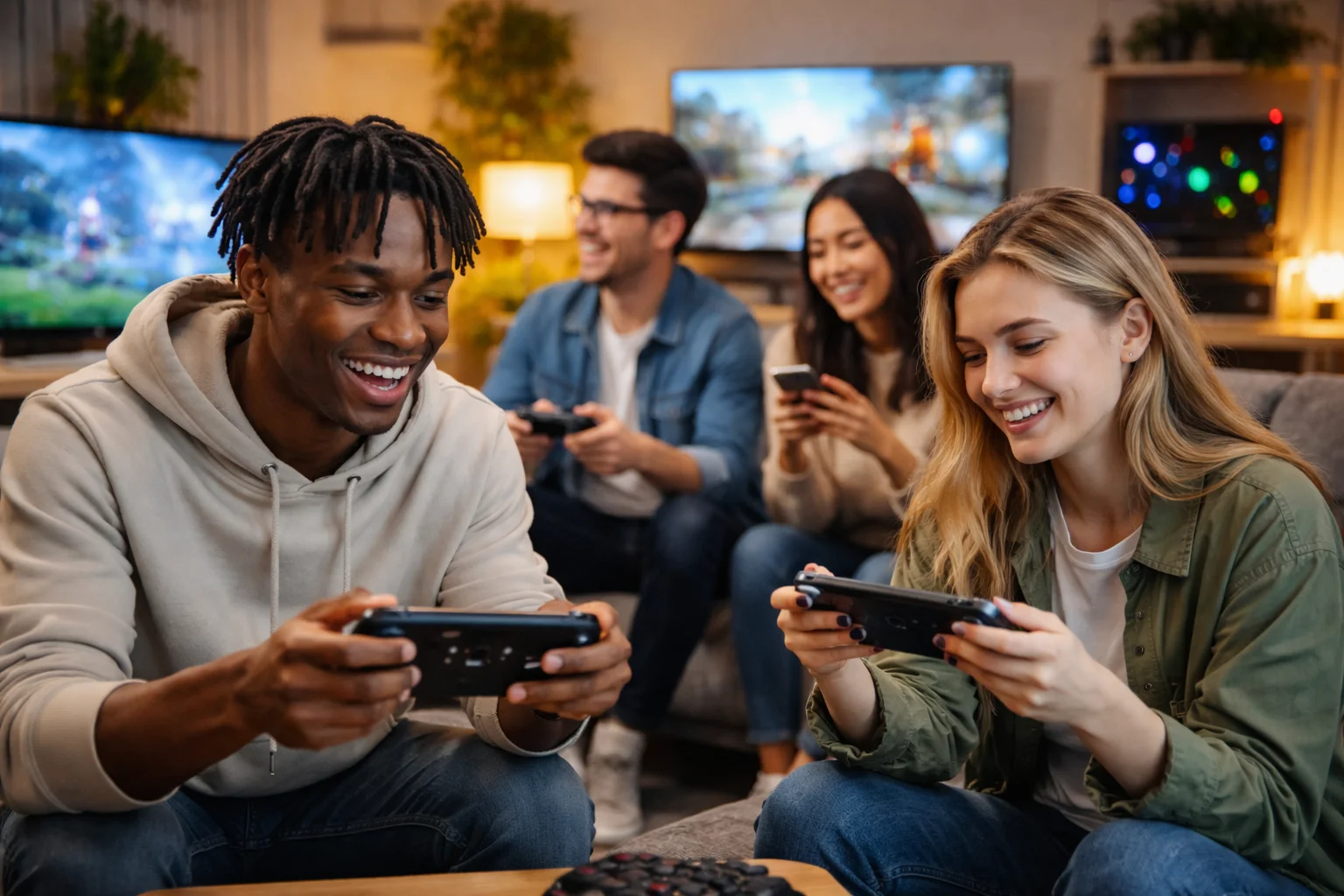
Today, gaming culture is not defined by a single style or platform. Some players enjoy competitive matches, others prefer solo exploration, and many switch between both. Mobile, console, and PC experiences coexist, offering flexibility and choice.
Communities form around shared interests rather than just hardware. Culture is shaped by discussion, shared experiences, and personal creativity. Players influence games through feedback, events, and long-term engagement.
At theportablegamer, this modern balance is central. Gaming culture now values freedom, connection, and meaningful experiences over rigid definitions of what gaming should be.
How theportablegamer views gaming culture’s future
Gaming culture will continue to evolve as technology and player expectations change. New hardware, control methods, and online features will shape how people play and connect.
What remains consistent is the role of the player. Culture grows from how players interact with games and with each other. Platforms like theportablegamer exist to observe, explain, and support that growth with clarity and respect.
Understanding how gaming culture has evolved helps players appreciate the present while staying informed about future shifts. Gaming is no longer just entertainment. It is a living culture built by millions of players worldwide, and its story is still being written.