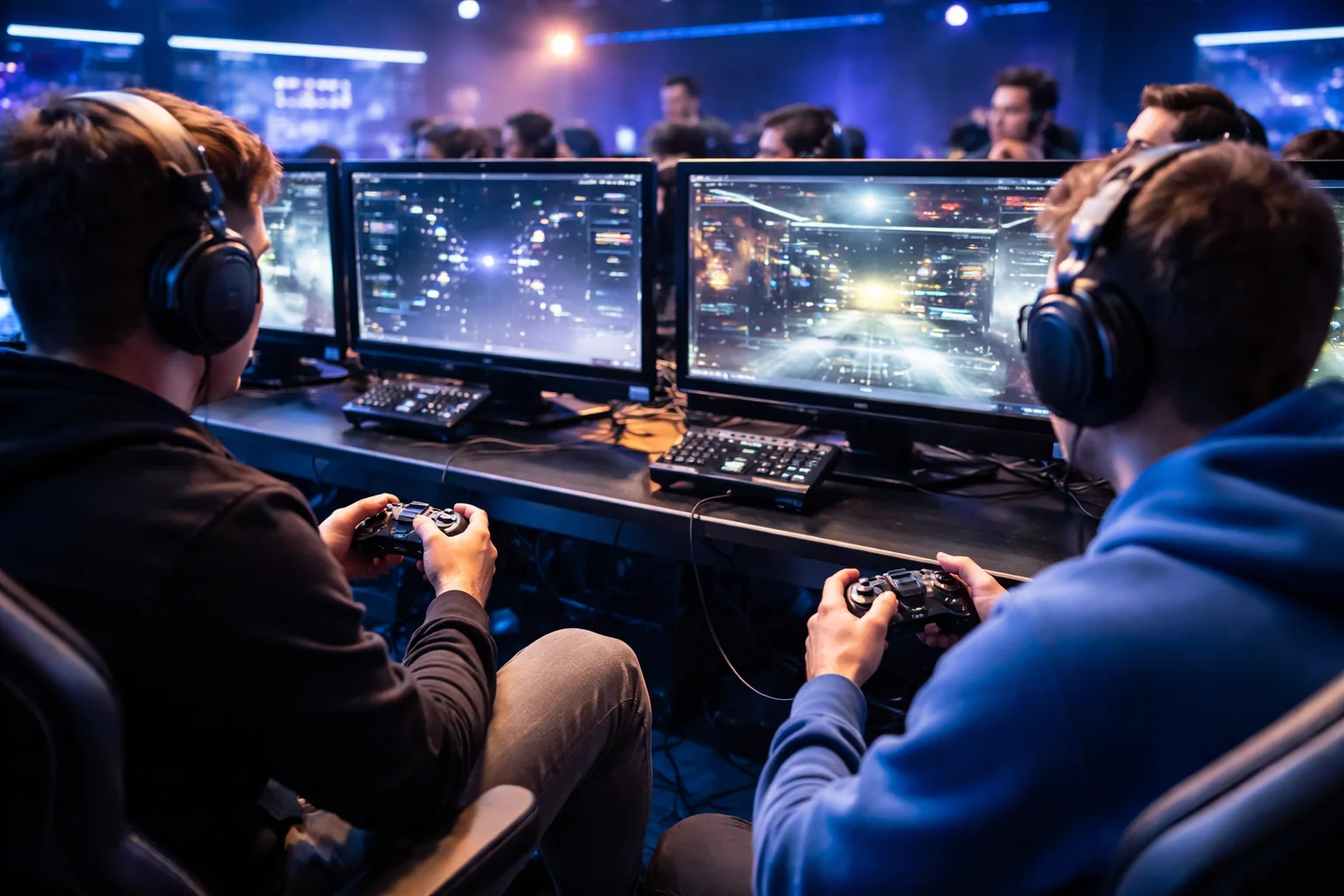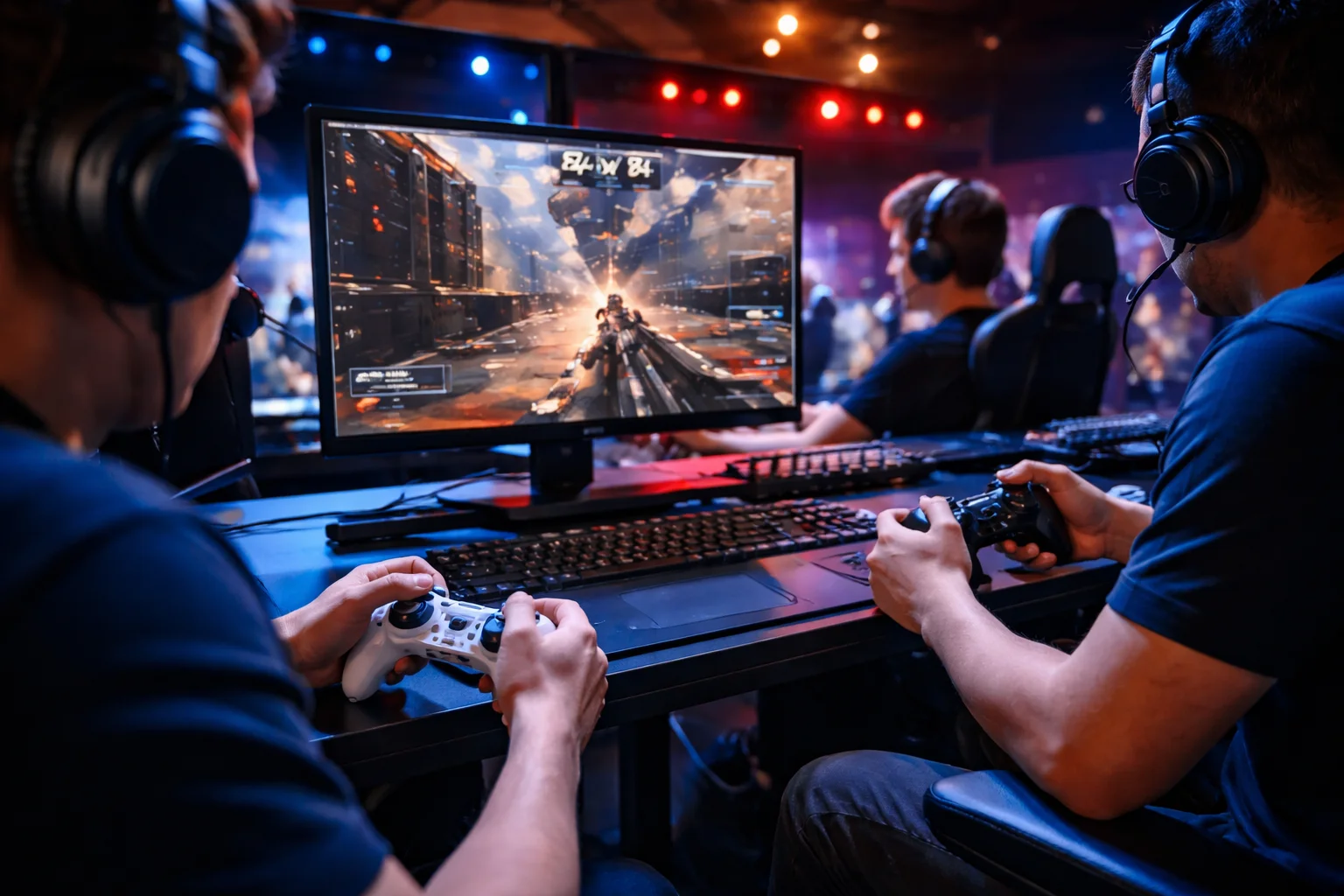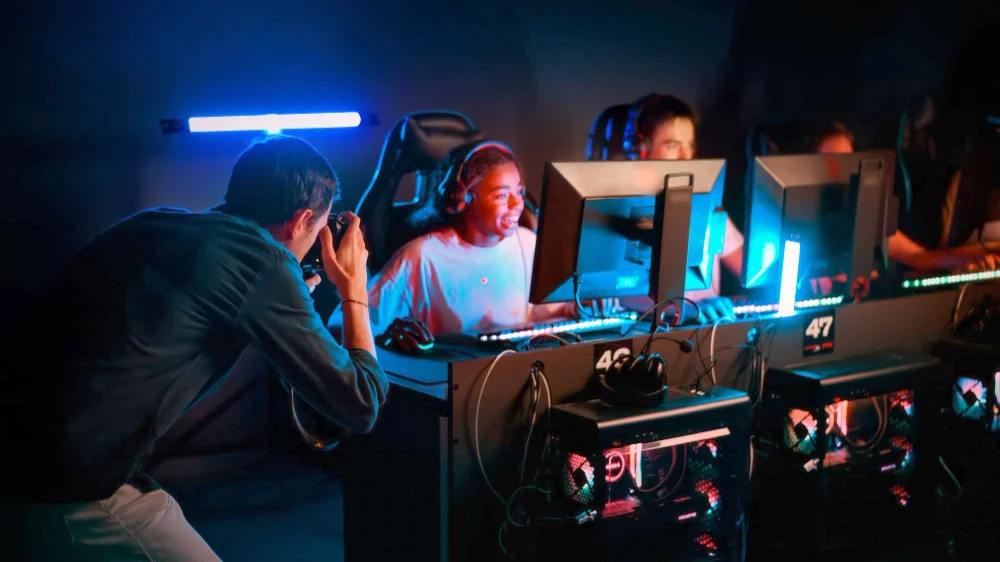
The esports gamers lifestyle is a dynamic and exhilarating world that combines the thrill of competitive gaming with the disciplined routine of a professional athlete. This lifestyle is not just about playing video games; it involves a structured daily routine, rigorous training schedules, a focus on mental and physical health, and the ability to balance personal life with the demands of professional gaming. In this comprehensive guide, we will delve into the daily habits, challenges, and opportunities that define the life of an esports gamer, offering insights and tips for those aspiring to join the ranks of professional gamers.
See also Theportablegamer Latest Facts & Updates: A Clear Look at What Matters in Gaming
Understanding the Esports Phenomenon
What Defines an Esports Gamer?
At the heart of the esports gamers lifestyle is the distinction between casual gaming and professional esports. An esports gamer is someone who competes in organized, multiplayer video game competitions, often for sponsorships, earnings, and recognition within the gaming community. These individuals typically belong to esports teams, undergo rigorous training, and participate in tournaments worldwide.
Daily Habits of Successful Gamers
Training and Practice Schedules
The daily routine of a professional gamer is meticulously planned. A typical day includes:
- Morning Routine: Starting the day with light exercise or meditation to enhance focus and energy levels.
- Practice Sessions: Dedicated hours spent honing skills, strategizing gameplays, and reviewing past performances.
- Breaks: Short, scheduled breaks to prevent burnout and maintain mental acuity.
- Team Meetings: Collaborating with teammates to discuss strategies and improvements.
The Role of Nutrition and Fitness
Maintaining a balanced diet and staying physically active are crucial elements of the esports gamers lifestyle. Gamers often consult nutritionists to devise meal plans that support cognitive function and stamina. Regular exercise routines, such as cardio and strength training, help improve reflexes and reduce the risk of gaming-related injuries.
Social Life and Community Engagement
The social aspect of the esports lifestyle is deeply intertwined with community engagement. Gamers build strong networks through:
- Streaming Platforms: Engaging with fans and followers through live streams and social media.
- Esports Events: Participating in tournaments and conventions to connect with fellow gamers and industry professionals.
- Online Communities: Joining forums and gaming groups to share experiences and insights.
Financial Insights for Aspiring Gamers
Sponsorships and Revenue Streams
The financial aspect of the esports gamers lifestyle includes various revenue streams such as:
- Sponsorships: Partnerships with brands that offer financial support and gaming gear.
- Tournament Prizes: Earnings from winning or placing in competitions.
- Streaming Revenue: Income from platforms like Twitch and YouTube through subscriptions and advertisements.
Maintaining Mental and Physical Health
Mental health is a growing focus within the esports community. Professional gamers employ strategies such as:
- Mindfulness Practices: Techniques like meditation and breathing exercises to manage stress.
- Counseling Services: Access to mental health professionals for support and guidance.
- Peer Support: Building a support network among teammates and fellow gamers.
Challenges and Opportunities in Esports
Diversity and Inclusion
The esports industry is making strides towards greater inclusivity, with increased representation of women and diverse cultures. Initiatives are in place to create a welcoming environment for all gamers, fostering a more vibrant and varied community.
Sustainability in Gaming
As the esports industry grows, so does its environmental impact. Gamers and organizations are exploring eco-friendly practices, such as reducing energy consumption and promoting sustainable gaming equipment.
Future Trends in the Esports Lifestyle
The future of the esports gamers lifestyle is shaped by technological advancements and evolving cultural trends. Key areas of growth include:
- Esports Education: Integration of esports programs in educational curriculums to nurture future talent.
- Gaming Gear Innovations: Development of cutting-edge technology to enhance gameplay and performance.
- Social Media Influence: Leveraging platforms to build personal brands and engage with broader audiences.
Conclusion
The esports gamers lifestyle is a multifaceted journey that requires dedication, discipline, and a passion for gaming. Aspiring gamers can take inspiration from the structured routines, community engagement, and resilience displayed by professional esports players. By balancing the demands of competitive gaming with personal well-being, individuals can thrive in this dynamic field.